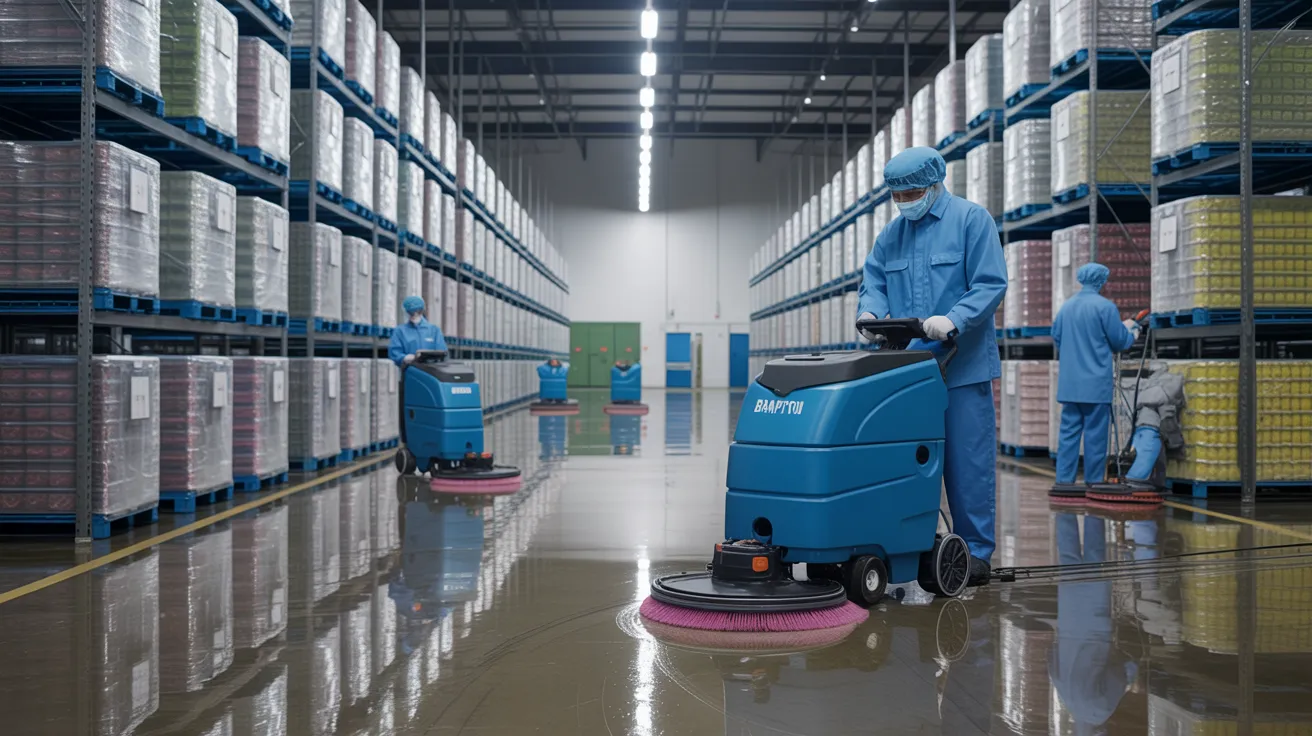
Commercial cleaning and food safety professionals in Brampton assist restaurants, commissaries, baking facilities, warehouses, and food service operations maintaining standards. They decontaminate regularly touched surfaces, food preparation surfaces, equipment, floors, drains, restrooms, and food handling spaces with approved chemicals, maintaining proper ratios, and recording exposure duration. You require scheduled cleaning determined by hazard level, food throughput, food allergies, and regulatory assessments, plus verification records that support HACCP, audits, and public health compliance. The following information explains how effective cleaning systems must contain.
Main Points
- Food safety cleaning professionals in Brampton cater to restaurants, grocery departments, commissaries, warehouses, bakeries, schools, mobile vendors, and allergen-sensitive operations.
- High-touch surfaces, food-contact equipment, kitchens, floors, drains, restrooms, and storage areas are disinfected using zone-based workflows to eliminate cross-contamination.
- Checking of proper chemical concentration, compatibility, and exposure duration is conducted by trained providers, with finishing documented using checks, assessments, and remedial documentation.
- Daily, recurring, and annual tasks assigned by area make up hygiene calendars built on threat, output capacity, switches, incidents, and regulations.
- Liability, colour-coded implements, HACCP, health regulatory understanding, safety training preparation, testimonials, and assessment-ready hygiene documentation are important supplier traits.
Brampton Establishments That Need Food Safety Cleaning: Which Ones?
Brampton facilities that manage, store, prepare, package, or offer food require food safety cleaning. Implement it if your operation is falls under public health inspection, food premises regulations, or internal HACCP-based controls. The mandate covers food venues, break rooms, supply centers, retail departments, butcheries, seafood areas, stores, and facility food prep.
Documented food safety measures proves essential in supply warehouses, processing plants, freezer locations, commercial bakeries, school food programs, reception facilities, and food delivery centers. Mobile and temporary operations count too, such as catering trucks, festival vendors, and pop-up food booths. Your facility needs established hygiene documentation whenever your employees work with ingredients, section ready-to-serve foods, heat finished items, or maintain allergen storage. In Brampton, hygiene is not elective; it represents legal, operational, and consumer protection compliance.
What Do Brampton Cleaning Experts Clean?
Professional cleaning services specializing in Brampton disinfect high-contact surfaces, kitchen facilities, ground surfaces, and restrooms to satisfy food safety standards and health requirements. Emphasis on these spaces stems from extreme cross-contamination risk, injury hazards, and compliance issues.
Knowing their service areas allows you to confirm your facility's cleaning meets required standards and regulations.
Disinfecting High-Touch Points
base cleaning schedules determined by traffic, contamination risk, and operational use.
Maintaining a one-way workflow, rotating towels, and organizing sanitization equipment by area ensures that system stays quantifiable, auditable, and ready for inspection consistently
Kitchen Areas, Floor Surfaces, and Bathroom Spaces
Brampton cleaning professionals will address kitchens, floors, and restrooms since each space presents different hygiene concerns, injury, and public health challenges. In industrial kitchens, you need grease removal from cooking stations, appliance surfaces, drain systems, preparation areas, and backsplashes to reduce bacterial growth and pest activity.
Floor care that is documented should equally be anticipated. Technicians clean and remove buildup from tile grout, ceramic surfaces, and vinyl floors, then apply suitable dehydration methods so you can reduce slip incidents and meet regulatory standards. They also handle entry points where dampness and dirt enter the building.
For restroom sanitation, cleaners disinfect high-touch surfaces, bathroom fixtures, stall dividers, supply dispensers, and trash receptacles, then restock supplies and control odours. They also service restaurant moprooms, where chemical storage, sink hygiene, and drainage conditions can affect sanitation compliance and staff safety daily.
The Importance of Food Safety Cleaning in Brampton
In Brampton, you must maintain sanitary cleaning practices to meet health code requirements and achieve compliance. You also reduce cross-contamination by cleaning and sanitizing food-contact surfaces, equipment, and high-touch areas correctly. Most importantly, you help protect community wellness by reducing the chance of food poisoning in your establishment.
Sanitary Standards Adherence
Brampton food establishments must comply with stringent health requirements, so sanitation practices is key to satisfying health codes, defending customers, and eliminating penalties. You must maintain sanitized food contact points, documented cleaning schedules, appropriate product handling, and auditable operational standards that align with municipal and provincial inspection expectations.
Should your cleaning standards deteriorate, you encounter citations, compliance orders, public perception issues, and service interruption risks during follow-up inspections or enforcement actions.
Cross-Contamination Avoidance
Following regulatory requirements depends on your skill in stopping cross-contamination in daily food handling and cleaning. You should isolate raw items from prepared foods, disinfect work areas after use, and store chemicals away from food-contact items. Well-defined guidelines decrease contamination chances and promote steady regulatory adherence.
Implementing allergen separation helps keep priority allergens from contacting shared surfaces, containers, or equipment. Utilize separate boards, color-labeled items, and clear tool marking so workers don't combine products while preparing or distributing. Enforce hand hygiene following raw meat, seafood, eggs, or allergen-containing products. Refresh cleaning cloths often, and validate disinfectant levels using test strips. When your team learns these guidelines every shift, you establish a more hygienic, safer workplace that meets Brampton's food safety expectations daily.
Public Health Protection
When food safety cleaning deteriorate, you don't only face inspection setbacks—you expand the chance of food contamination affecting customers, staff, and the larger Brampton community. You also weaken your role in safeguarding community wellness, especially in busy food facilities where contamination can spread quickly through surfaces, equipment, and touchpoints.
You require sanitation systems that remove contaminants, sanitize effectively, and validate outcomes. This requires following exposure durations, selecting approved disinfectants, logging schedules, and coaching employees to satisfy regulatory requirements. These measures prevent pathogen control by decreasing microbial counts before reaching surfaces or food. Throughout Brampton, strong cleaning protects vulnerable communities, minimizes disease potential, and proves accountability. When you adhere to standards, you go beyond requirements—you lower hazards and facilitate secure food handling throughout the area.
How Can Cleaning Practices Ensure Food Safety Compliance?
Maintaining strict sanitation practices strengthens food safety compliance by lowering contamination exposure, managing pathogen expansion, and keeping your facility meeting sanitation requirements under HACCP-based programs and public health regulations. You validate that contact surfaces appear visibly clean and microbiologically controlled, enabling documented preventive controls and inspection readiness.
Cleaning initiatives additionally upgrade allergen mitigation by removing residues that can lead to undeclared allergen exposure.
What's the Best Time to Schedule Commercial Cleaning?
Establish cleaning plans based on risk levels, production rates, and compliance requirements rather than relying solely on a set calendar. You should plan regular cleaning every day
facility shutdowns, weather-related soil accumulation, or pest management periods
Finding Quality Brampton Cleaning Experts: A Guide
Evaluate providers first by food-safe sanitation requirements rather than cost. You must ensure each provider understands CFIA, public health, and HACCP-aligned expectations for your business. Request proof of insurance, WHMIS compliance, staff training documentation, and supervision methods. Check technician understanding of cross-contamination risks, chemical handling, and traceable sanitation records.
Additionally, you need to evaluate service dependability and responsibility. Obtain references from food facilities in Brampton, then review response times, corrective measures, and communication standards. Verify the company supports supplier audits and can deliver compliance-ready records go to article when inspectors or external parties need proof. Verify equipment is maintained, colour-coded tools are applied correctly, and location-specific dangers are identified. A capable service ensures compliance, product integrity, and your reputation.
Which components are contained in a hygiene cleaning program?
Create a documented strategy that clearly outlines every sanitation task, standard, and responsibility prior to beginning production. You should list cleaning schedules, authorized products, mixing ratios, exposure periods, equipment, and testing procedures for each zone, surface, and piece of equipment. Don't forget to add pre-operational inspections, corrective actions, and employee training requirements.
Your plan should also cover cross-contamination controls, waste handling, pest-prevention measures, and documented schedules for restrooms, drains, floors, and food-contact areas. Explain how you'll separate raw and ready-to-eat processes, support ingredient tracking, and ensure accurate allergen labeling through validated cleaning between product changes. You should designate accountability, maintain signed records, and compare results against regulatory standards, HACCP controls, and customer requirements. When gaps appear, revise procedures immediately and retrain staff.
Commonly Asked Questions
Are cleaning services available for overnight shifts in Brampton properties?
Yes, you can arrange cleaning services to support overnight shifts in Brampton facilities. You'll organize overnight sanitation around production schedules, access requirements, and personnel needs. Services typically establish nighttime procedures to reduce interruption, maintain standards, and track completed work. You should verify response times, supervision, access procedures, and waste management before starting service.
Do sanitation professionals offer hazard containment solutions?
Yes, you can expect many Brampton cleaning experts to provide emergency spill response solutions. They handle hazard containment, evaluate dangers, isolate affected areas, and begin swift cleanup to reduce exposure and operational disruption. You should verify arrival timeframes, training certifications, PPE protocols, and waste management. If your facility must comply with industry standards, select a service that records events, follows compliant sanitation standards, and enables compliance verification.
Can plant-based disinfectants be deployed safely on food preparation areas?
Absolutely, eco-friendly disinfectants are safe for food preparation areas when you pick items marked food-safe and satisfying regulatory requirements. You must validate contact times, concentration levels, and rinsing needs ahead of deployment. Natural-based solutions decrease toxic chemical contact, though you still need confirmation of performance against harmful bacteria. For ensuring residue-free conditions, stick to precise manufacturer instructions and confirm your cleaning agent adheres to food sanitation requirements.
Can sanitation programs change with production fluctuations?
Without question, sanitation programs are highly adaptable for seasonal shifts. Adjust schedules, labor allocation, sanitizers, and verification steps to fit production rhythms while sustaining compliance standards. Lower production interruptions by scheduling sanitation around equipment transitions, maximum output, and usage patterns. Also update standard operating procedures, training, and environmental monitoring to account for seasonal hazards, additional allergens, or increased soiling. Periodic assessments ensure the strategy functional.
Will commercial cleaners teach your staff on sanitation best practices?
Certainly, professional cleaning experts coach your staff on sanitation best practices. You secure staff training on correct chemical practices, processing times, contamination control, equipment disassembly, and documentation procedures. They generally coordinate coaching with HACCP, GMP, and CFIA or regional health bodies standards. Many also run sanitation audits to check standards, uncover shortcomings, and reinforce corrective actions. This enables you to copyright standard processes, pass inspections, and reduce food safety risks every day.
Summary
Partnering with Brampton commercial cleaning and food safety professionals goes beyond tidying—it ensures your facility stays inspection-compliant and your protocols remain compliant. From processing facilities to kitchens, each cleaned area and organized section reduces health hazards and prevents major expenses. By arranging service at suitable frequencies and implementing a thorough cleaning program, you shield your workforce, your customers, and your image. In a tightly controlled market, sanitary conditions can't be overlooked—they're vital to proper management.